Date/Place: Oct 12, 2015 – various locations in and around Guelph, ON.
Goal of this post: Clarify what is meant by the various terms in the literature for a “pace” gait, with reference to some tracks of raccoon and skunk.
References:
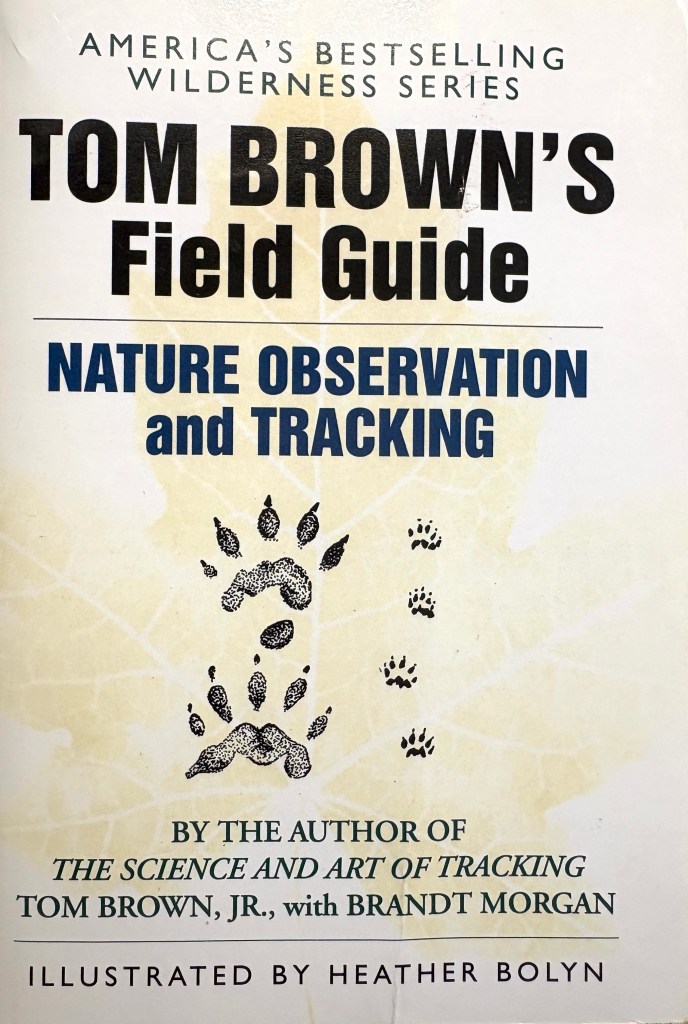
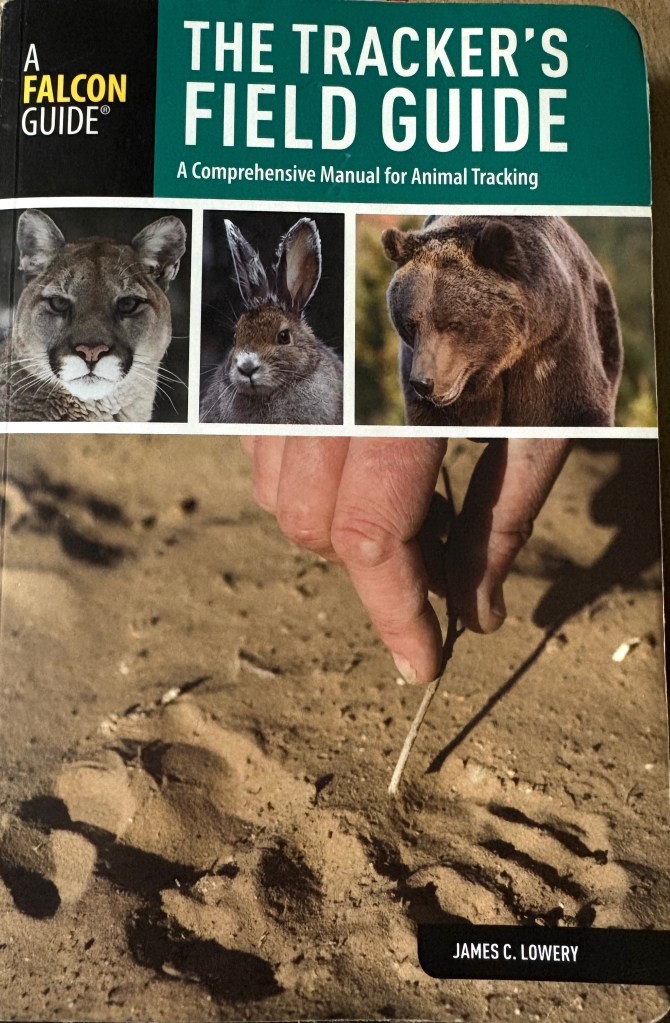
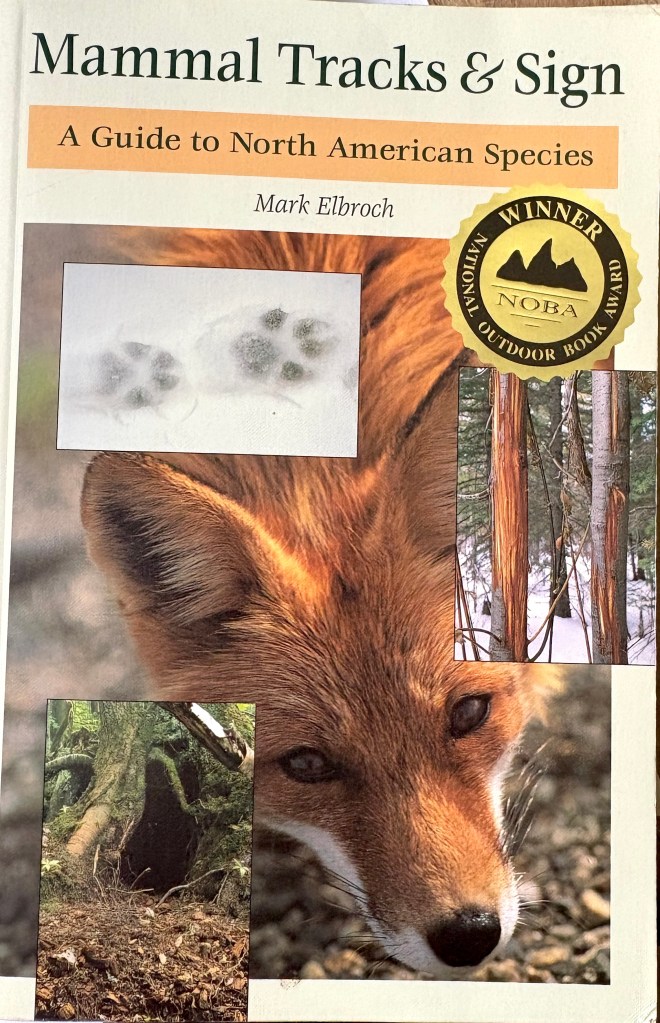
General discussion: One of the confusing aspects of tracking is that different authors use different terms for the same gait. I have heard the following terms used for the same ‘lateral’ gait: overstep walk, pace, amble, lateral walk, (2×2 walk – raccoon). Elbroch for example, never uses the term ‘pace’, but instead uses the term ‘overstep walk’, even though this can refer to effectively different gaits!
Regardless of the name used, the motion of the gait I’m interested in here is ‘lateral’, not ‘diagonal’. As stated in Lowery (p.18): “… imagine a gait in which the two lateral paired legs, (e.g., left front and left behind move simultaneously.” And “… as each kind leg swings forward, it moves beyond the location of the previously created front on the same side. ” However, Lowery also says that this gait can be somewhat of a hybrid between a diagonal and a lateral walk. According to Tom Brown (p. 126), “Pacers include all the wide-bodied animals – bear, raccoon, opossum, skunk, wolverine, badger, beaver, porcupine, muskrat, and marmot.”
I think what also makes this confusing is that we can have an overstep walk that isn’t lateral (i.e., a diagonal walk), e.g. the overstep walk of a canid or feline. It seems that the term ‘overstep walk’ does not distinguish between these two possibilities. Maybe some tracking terms are based more on what one sees on the ground versus what the animal is actually doing?
Raccoon:
I found these Raccoon tracks near Starkey Hill Conservation area (near Guelph, ON) with Byron Murray recently. The substrate is a fine dust on a path. We were lucky to find them as many people had already walked and cycled on this path by 9:30am.
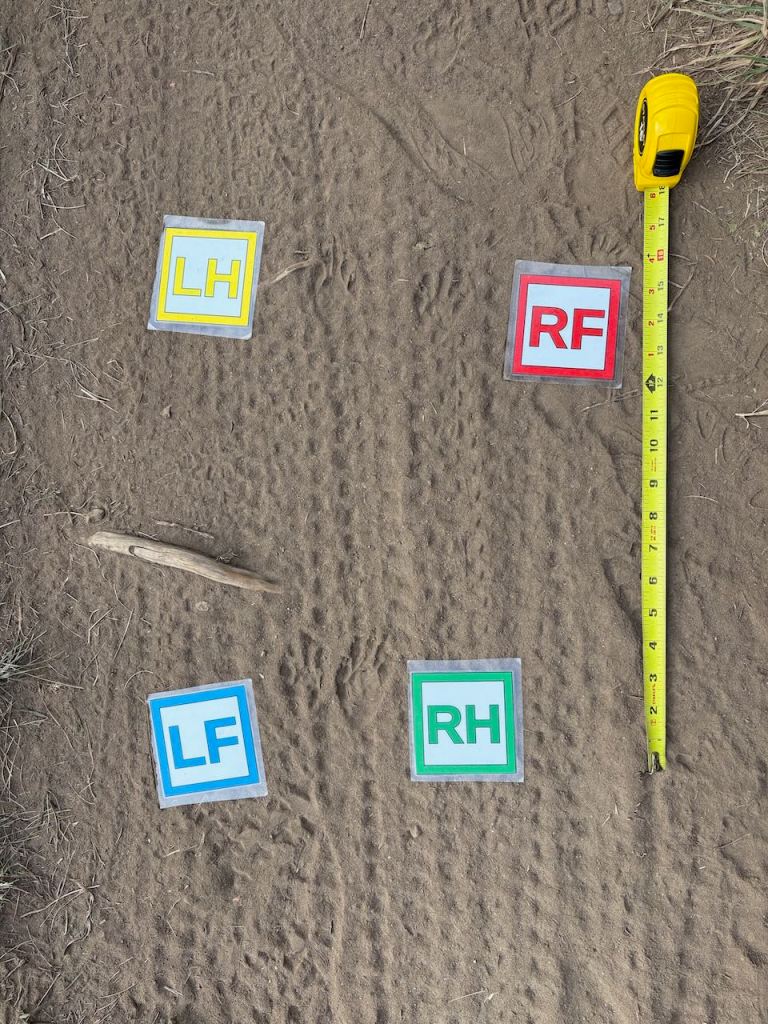
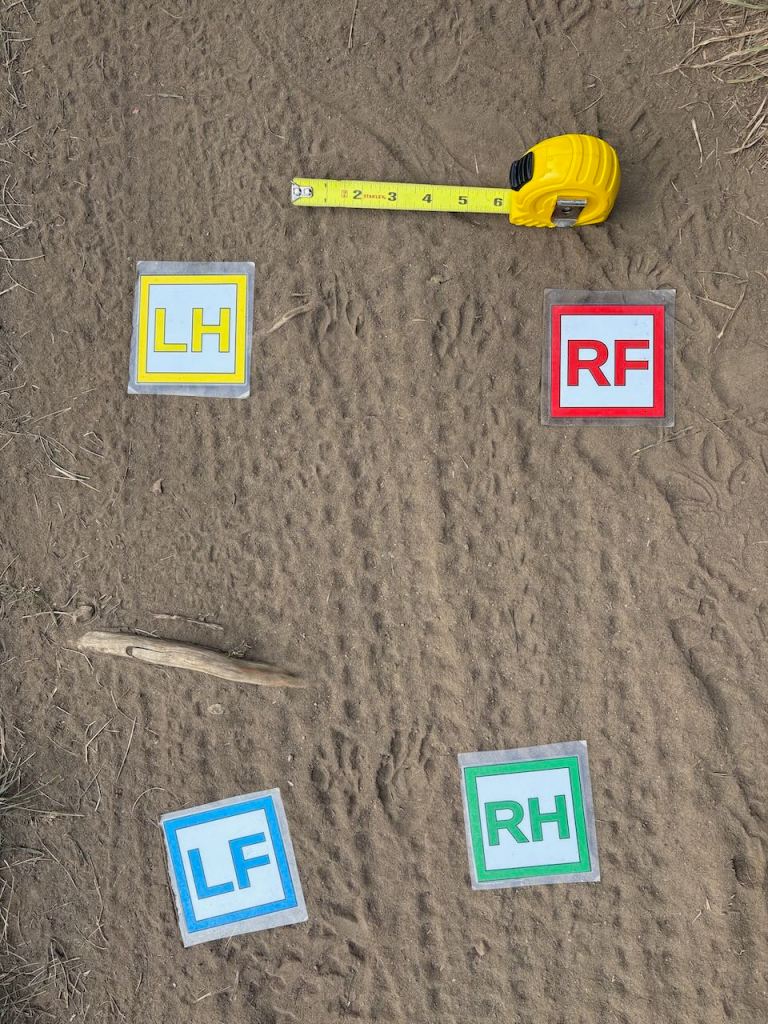
We see the overstep walking (pace) pattern of paired front and hind tracks, that flip-flop from one group of two to the next. The hind tracks are easily distinguished as they are bigger, and are showing the heal pad.
Striped Skunk:
The first picture below is a beautiful photo of a skunk doing an overstep walk (pace), which I found in the mud of a building site in the south end of Guelph.
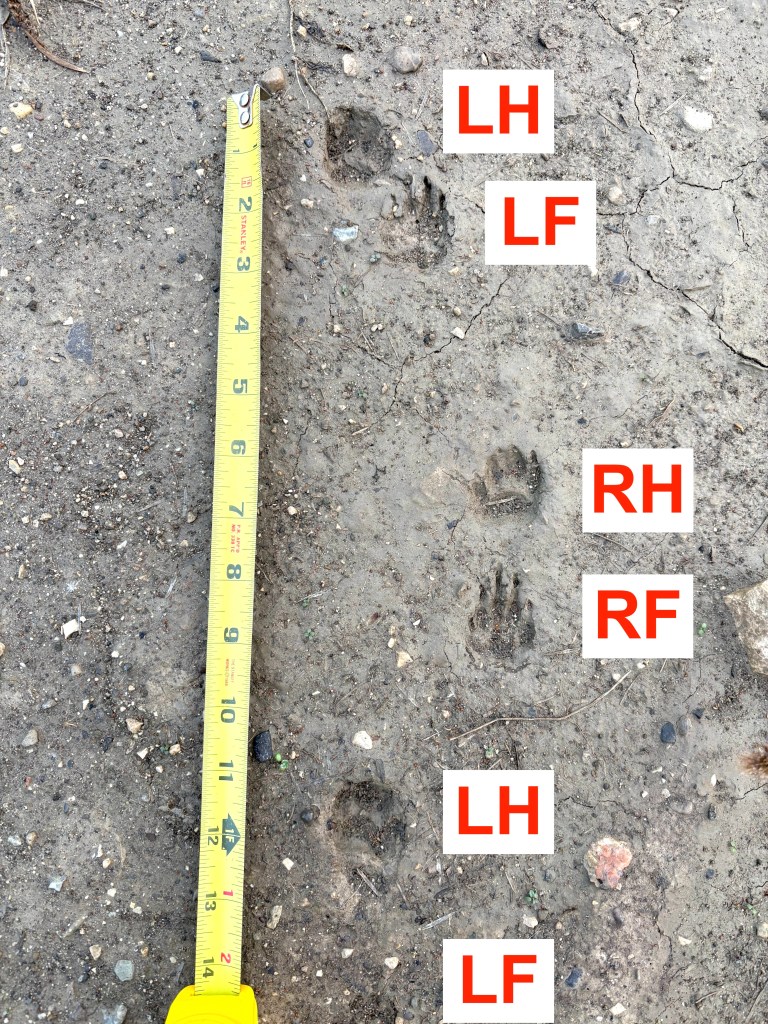
Although only part of the trail is shown here, the groups of 2 left tracks and 2 right tracks (front and hind), continue. The front tracks clearly show the long claws. Here is another (less clear) example of the same thing, but in soft sandy soil on the University of Guelph campus:
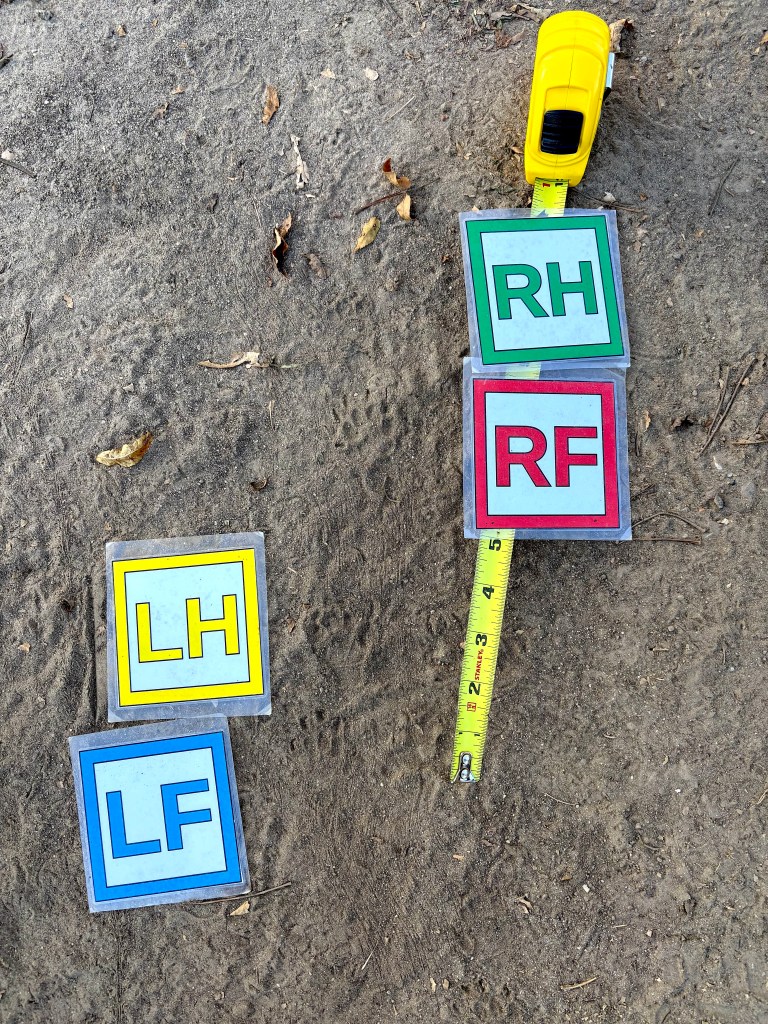
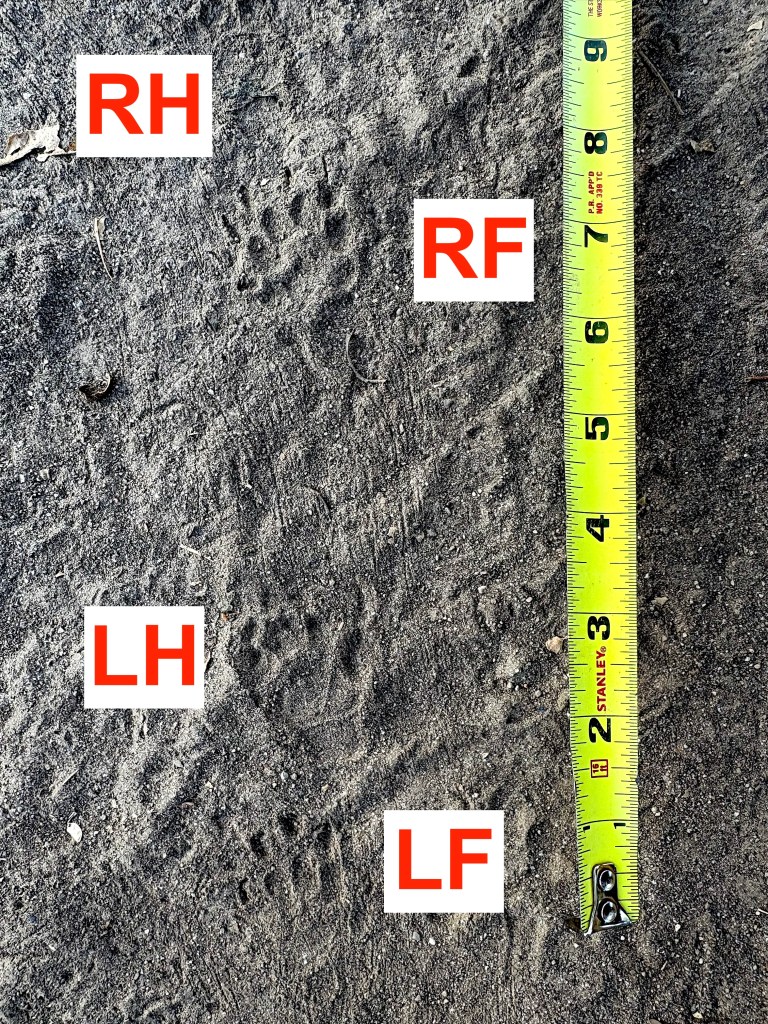
I worked harder in this 2nd photo to increase the contrast.
Domestic Dog:
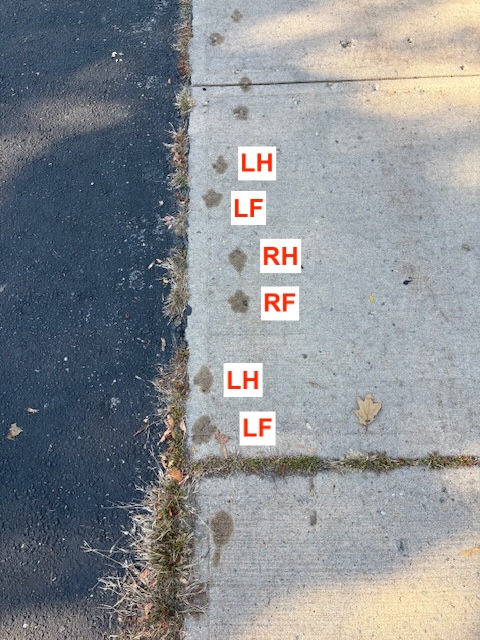
Finally, I show some tracks of a dog that I think is doing a diagonal, overstep walk – NOT a pace! It was early morning and a dog had recently walked over grass covered in dew.
Next steps:
There is so much more to learn here. Lowery (p. 290) talks about the unique walking personality of different raccoons and gives examples (p. 292) of small differences in the standard pattern that can be used to distinguish individual animals. This teaches me that just because I know what the animal is and its gait I should not stop looking. There are layers and layers of learning, depending on how much attention one wants to devote.
 Field Notes of a Tracker
Leave a comment